

Show what non-medical support can and cannot solve before a crisis.
Do not buy the maximum amount of help by default.
What part of daily life is actually failing?
When does it happen often enough to need reliable coverage?
What happens when the usual family helper cannot cover it?
Which needs belong to a clinician rather than household support?
Start with the part of the week that is getting harder
A useful care plan begins with the older adult’s actual routine. Write down where help is already coming from family, where tasks are being missed, and which moments create the most stress or risk. That makes it easier to decide whether a small amount of support could solve the immediate problem or whether the family needs a different level of care.
What matters locally
Local memory support. Pima Council on Aging hosts Memory Cafés for people with Alzheimer's disease, related dementias and mild cognitive impairment, with caregivers included.
Caregiver support. PCOA provides caregiver support groups, training workshops, one-on-one consultation and respite navigation.
Arizona caregiver respite. Arizona DES Family Caregiver Support includes information, assistance, support groups, training and respite, with eligibility conditions.
Local transportation. Oro Valley provides door-to-door transportation with specific rules for riders age 65+ and some medical trips.
These local details matter because care has to work in Oro Valley as it actually is, not in a generic version of the community. Use them to test whether a proposed schedule fits appointments, travel, family availability and the older adult’s normal routines.
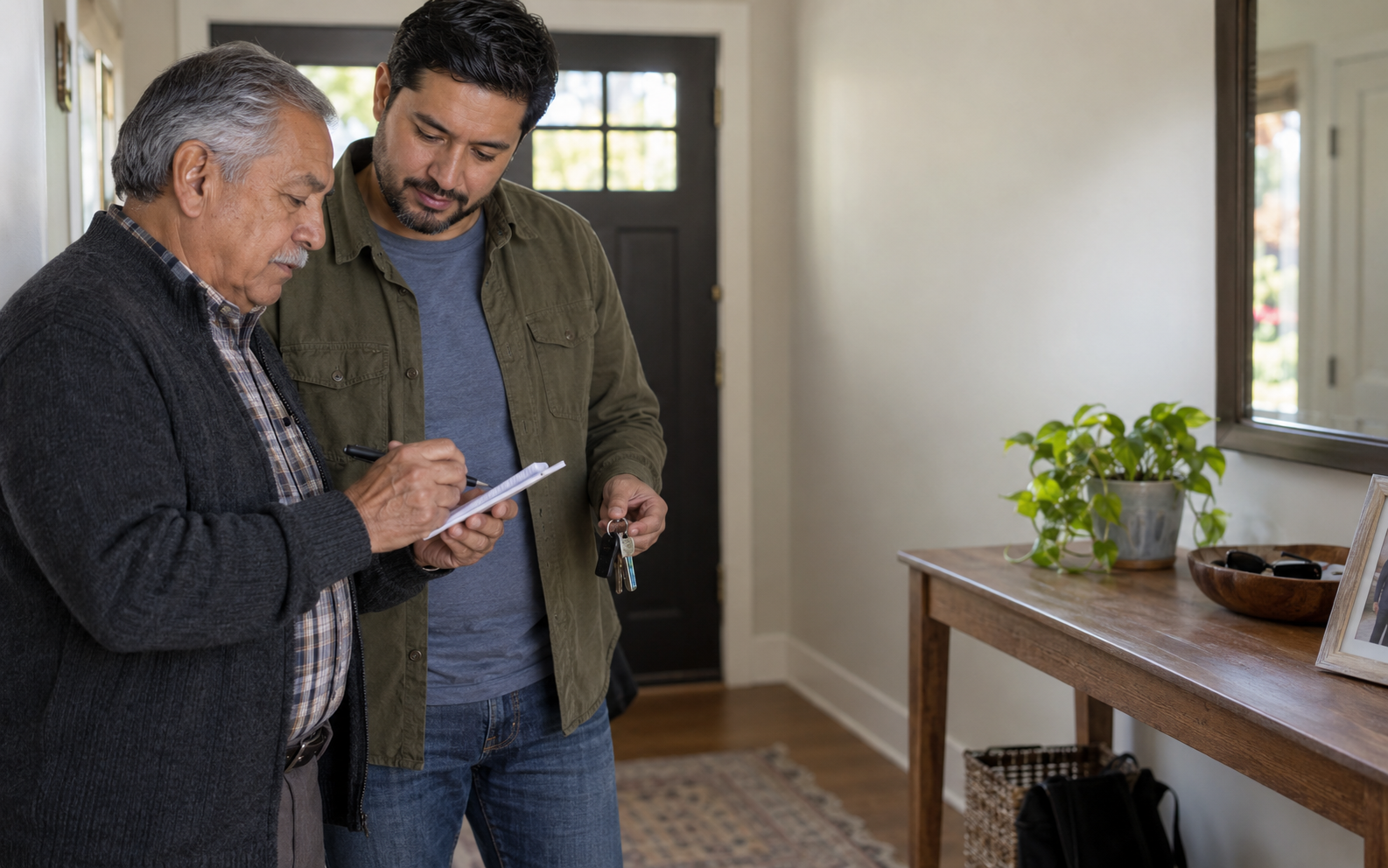
Build a plan around the person, not a package of hours
Start with the smallest schedule that reliably covers the difficult parts of the week. Then decide what should stay with family, what can be handled through non-medical support, and what belongs with a nurse, therapist, physician or other clinical professional.
Know where non-medical support ends
No diagnosis/treatment claims. No wandering-prevention, medication, driving or overnight capability promise.
Put cost information in context
Secondary cost context only.
Published benchmarks can help with planning, but they are not a quote. Confirm actual rates, minimums and policies directly with any provider you are considering.
Questions worth asking before you choose a provider
Ask what tasks are actually included, how schedules are built, what happens when needs change, how caregiver matching works, what the backup plan is for a call-out, and which requests require clinical care or another resource.
Use local resources as part of the plan
Trust from local dementia resources, caregiver support and safety boundaries.
Start with one workable next step
Choose the two or three moments this week when outside help would make the clearest difference. That gives the family something concrete to discuss without pretending every future care decision has to be made today.
Conceptual CTA: Tell us what has changed at home.
A practical next step
If dementia related routines are putting more pressure on the household, start with the recurring moments that create the most confusion, stress or safety concern. Talk Through Your Care Needs when you are ready to organize those needs into a clearer care conversation.